
The New Indian Aesthetic: Concept Stores That Are More Than Shops
- 1 day ago
- 5 min read
There’s a quiet revolution happening in India’s retail landscape — not in flashy mall facades or ephemeral pop‑ups, but in spaces that feel less like stores and more like sanctuaries. These are places where architecture, scent, light, and tactility come together to create an experience that stays with you. They speak not only of products but of heritage, craft, and a way of life that values intention over impulse. If you’re seeking inspiration for a slower, more mindful relationship with the objects around you, these are the retail spaces that define the New Indian Aesthetic.




Cinnamon — Bengaluru
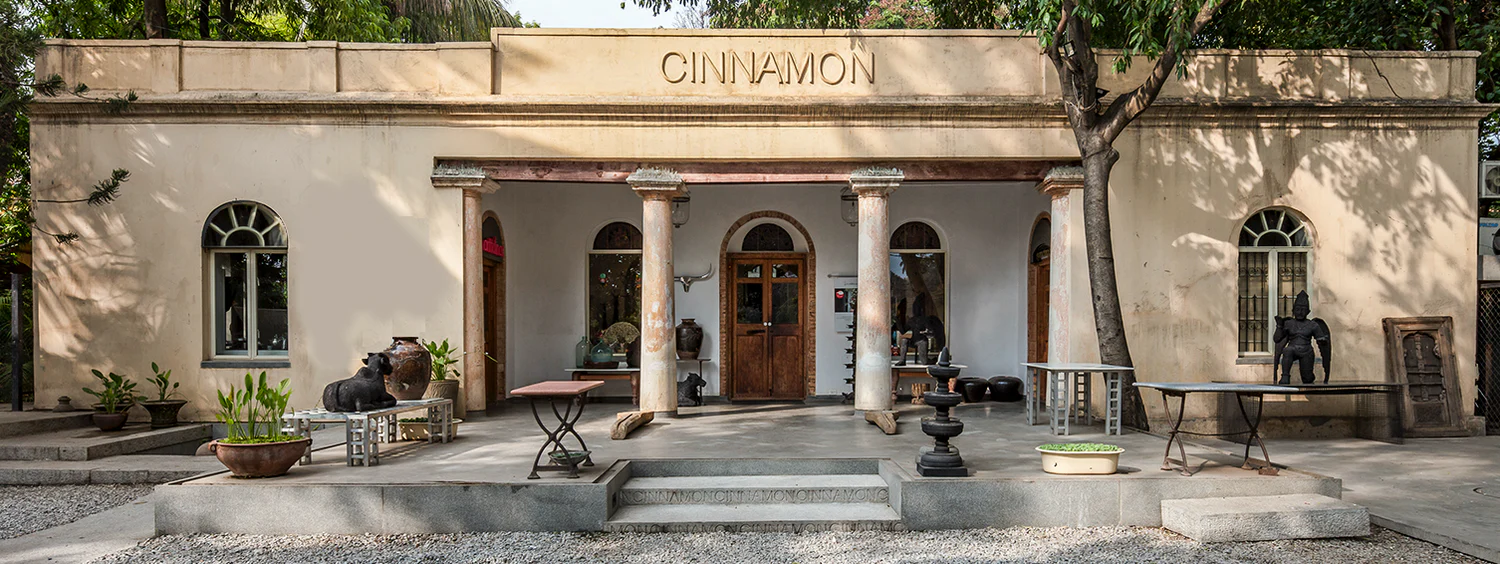
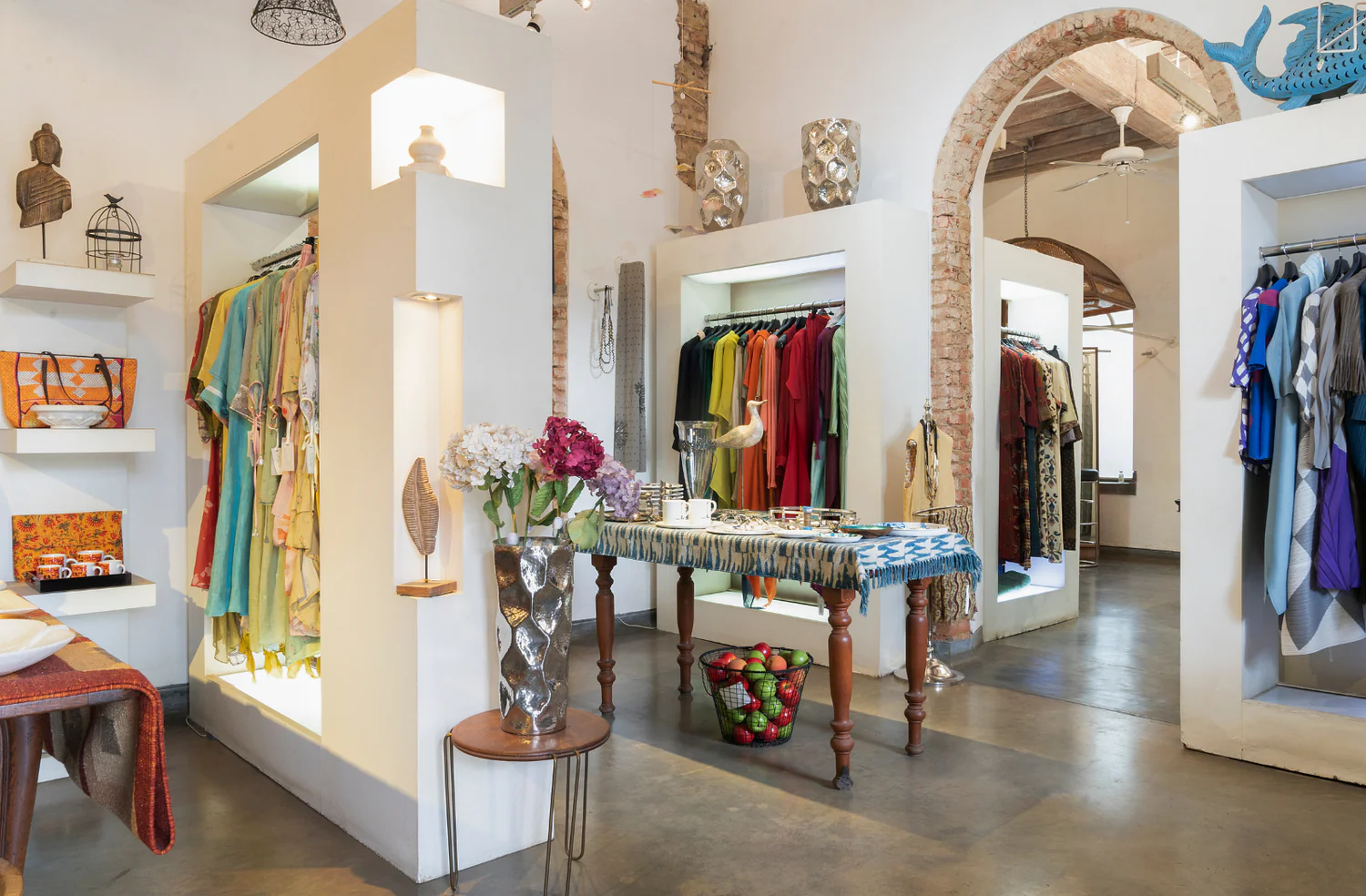
Tucked away from the bustle of the city, Cinnamon is a refuge in every sense. Set within a lovingly preserved colonial bungalow, the space is suffused with soft light and calm. It isn’t just a place to buy beautiful things — it feels like wandering through the home of someone with an incredible eye for craft. Each room reveals something unexpected: artisanal décor beside carefully chosen textiles, contemporary fashion alongside thoughtfully curated lifestyle pieces.
What makes Cinnamon special is its refusal to rush. You arrive as a visitor and leave feeling as though you’ve been a guest — invited to touch, smell, and truly consider each piece. It’s a gentle reminder that consuming less, but better, is a form of self‑care.


Amethyst—Chennai
If Cinnamon is a quiet escape, Amethyst is a garden dream realized. Set within the bones of an old granary, the space has been re‑imagined by founder Kiran Rao as a lush, layered retreat. A cobbled path takes you through greenery and shade, past the Wild Garden Café where the aroma of fresh flowers hangs in the air, and up to a boutique that feels less like a shop and more like an elegant, lived‑in studio.
Here, sunlight plays across antique furniture and delicate textiles, and you are invited to linger. There’s jewellery here that feels personal, not precious; books that invite slow afternoons; objects that ask to be noticed, not hurried.


Paper Boat Collective — Goa & Bengaluru
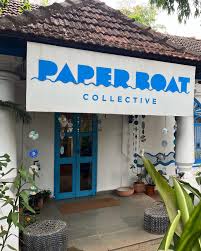
Paper Boat Collective doesn’t conform to the idea of retail as we typically know it. Housed in a traditional Goan Portuguese villa, its rooms unfurl like those of an eccentric, artistic friend’s home. Silk dresses hang beside hand‑thrown ceramics, linen wraps sit near bespoke candles, and each object seems to whisper its own provenance and purpose.
The experience feels intuitive, almost meandering. There are no sharp transitions or rigid departments here — just spaces that encourage you to touch, reflect, and feel at ease. It’s a celebration of slow living made tangible, and a reminder that beauty needn’t shout.


Raw Mango — Delhi, Mumbai, Bengaluru
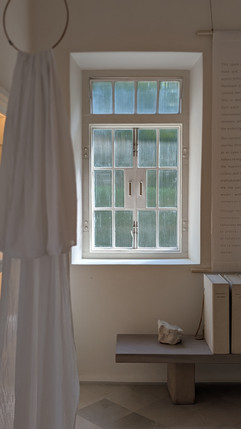
Sanjay Garg’s Raw Mango stores have become almost paradigms of a certain refined restraint. The interiors are minimal, marked by bare walls and whisper‑soft lighting. There are no mannequins, no shouting sales pitches — the focus is on the cloth itself: its texture, its fold, its story.
Walking into a Raw Mango space feels like entering a place of quiet intention, where the weave becomes the conversation and craftsmanship is the only thing speaking. It’s not just about buying a sari or a scarf; it’s about understanding a lineage, appreciating the hands that made it, and feeling the history within the fibres.


Good Earth — Across India
Good Earth is nothing if not immersive. Stepping inside feels like entering a narrative — one that spans continents and centuries. The signature fragrance, the subtle hum of Indian classical music, and the rich yet thoughtful use of colour and pattern make every visit feel like a journey.
Here, homeware and décor are not accents but stories. A cushion cover might carry the motif of an ancient caravan route; ceramic vessels might echo the poetry of distant landscapes. The brand’s ethos — to bring ancestral wisdom into contemporary homes — is evident in every fabric, every shape, every whisper of scent.


Nicobar — Across India
Imagine a coastal breeze that lingers long after you’ve stepped indoors. That is the mood of Nicobar. Created by minds inspired by India’s oceans and tropical rhythms, the stores are open, airy spaces of light wood, white tents, and easy lines. The aesthetic is modern without being cold, functional without being boring.
Nicobar feels like the wardrobe and home of someone who travels — someone with rhythm and taste but no need for excess. It’s a reminder that simplicity can be luxurious, and that livable design is a form of poetry in itself.


108 — Kochi
In Fort Kochi, among lanes scented by the sea and shaded by history, sits 108 — a store that feels like a conversation between past and present. Housed in a restored Portuguese villa, its walls carry the weight of heritage while its floors are graced with handspun textiles, artisanal homeware, and contemporary design pieces.
But 108 is not only about objects. It is about context. Founded with a mission to support handloom and craft communities, the space makes you think about the hands that made the cloth, the stories embedded in each weave. Here, the architecture itself — soft light filtering through old windows, gentle shadows cast across natural surfaces — becomes part of the curation.


Nila — Jaipur
Nila House in Jaipur is not a store in the conventional sense but a cultural encounter. Named for the ancient indigo dyeing tradition, Nila celebrates natural dye craft and handloom heritage with a humility that feels rare. Set within a restored Jaipur bungalow, the space unfolds like a story — galleries, studios, and curated corners where handwoven textiles and naturally dyed garments sit alongside home objects that feel honest and thoughtfully made.
Visitors don’t just shop at Nila; they learn, witness, and sometimes participate. Workshops, exhibitions, and quiet moments of discovery make each visit feel like an education in craft, sustainability, and mindful living.


The Palace Atelier — Jaipur
Finally, in the storied precincts of the City Palace, The Palace Atelier feels like a dialogue between past and present. Conceived by Princess Gauravi Kumari in collaboration with French designer Claire Deroo, this space reimagines the idea of a museum shop. Here, Jaipur’s artistic legacy is not just preserved — it is woven into contemporary narratives.
Warm hues, handcrafted pieces, heritage textiles, and locally made accessories come together in an environment that feels regal yet accessible. Every room feels like a discovery, every object like a conversation between artist and visitor.
These stores are more than points of purchase. They are reminders that the way we live, display, and cherish objects can reflect deeper values — reverence for heritage, respect for craft, and an appreciation for quiet, thoughtful living. In a world that often moves too fast, they invite us to slow down, to breathe, to see, and to feel.


Comments